



- Why Email Marketing Matters for Therapists
- “But No One Wants to Read My Emails…”
- Getting Started With Email Marketing as a Therapist: Tools and Tips
- Welcoming Subscribers the Right Way
- What to Write About (and How to Build Trust)
- How Ashley Helps Therapists
- Frequently Asked Questions about Email Marketing for Therapists
When you think of email marketing, you probably don’t think of therapy. But for Ashley Darnall, a licensed clinical social worker turned mental health copywriter, the two worlds go hand in hand.
Ashley has spent seven years working in the mental health field, and writing has always been her outlet for processing life. Eventually, she realized she could combine her clinical experience with her passion for words to help other therapists grow their practices through authentic, ethical marketing.

“I thought, well I could use my expertise in mental health and my love of writing and combine them. And bam, I did and found mental health copywriting,” Ashley says. “I started doing some freelance work and quickly learned that therapists need all the help with marketing. We did not learn this in school!”
Her tagline, bridging the gap between marketing and helping professionals, perfectly sums up what she does. As Ashley puts it, therapists are capable of so much, including writing their own marketing content, but it’s often time-consuming, draining, and difficult to actually get it done. Add in the fact that most therapists never learned about business strategies, marketing, or finances in school, and it’s easy to see why this gap exists.
That’s where Ashley steps in.
“As a therapist myself, I understand the unique perspective of the mental health profession,” she says. “We have very specific ethical boundaries that we have to follow that are unlike other fields. It’s not like just hiring a marketer for your practice. I get it!”
📌 Related Post: Therapist Website SEO Best Practices: How to Rank Higher and Attract More Clients
Why Email Marketing Matters for Therapists
So, is having an email list really worth it for therapists?
“Yes, absolutely!” Ashley says. “As marketing guru Jenna Kutcher says, ‘People’s inbox is their virtual living room.’”
Through email, therapists can show up consistently in people’s worlds in a way that feels personal and helpful, not pushy. “The next time their friend mentions that they’re looking for a therapist, you’ll be top of mind,” Ashley explains. “And if you’re giving out quality information, like mental health tips, you could actually be helping make their lives a little bit better.”
She gives an example:
“If I was having a bad day and read an email from my local therapist reminding me to go outside and ground myself for a few minutes, maybe I’d actually take that reminder and better take care of myself. We need quality information out there instead of tips from unqualified sources on the internet.”
“But No One Wants to Read My Emails…”
Ashley hears this from therapists all the time, and she wants to clear up a big misconception.
“A common misconception about starting newsletters is that therapists don’t know what to say,” she explains. “Just start by giving practice updates, like when you’ll be out of office, new insurance accepted, or if you’ve hired a new therapist. Add a seasonal tip. If we’re entering the holidays, talk about managing mental health over the holidays. If you work with new moms, share about the benefits of Mommy & Me groups. Whatever is coming up in sessions, bring it to the general population. You never know who you might help.”
And here’s some good news: your newsletter doesn’t need to be weekly.
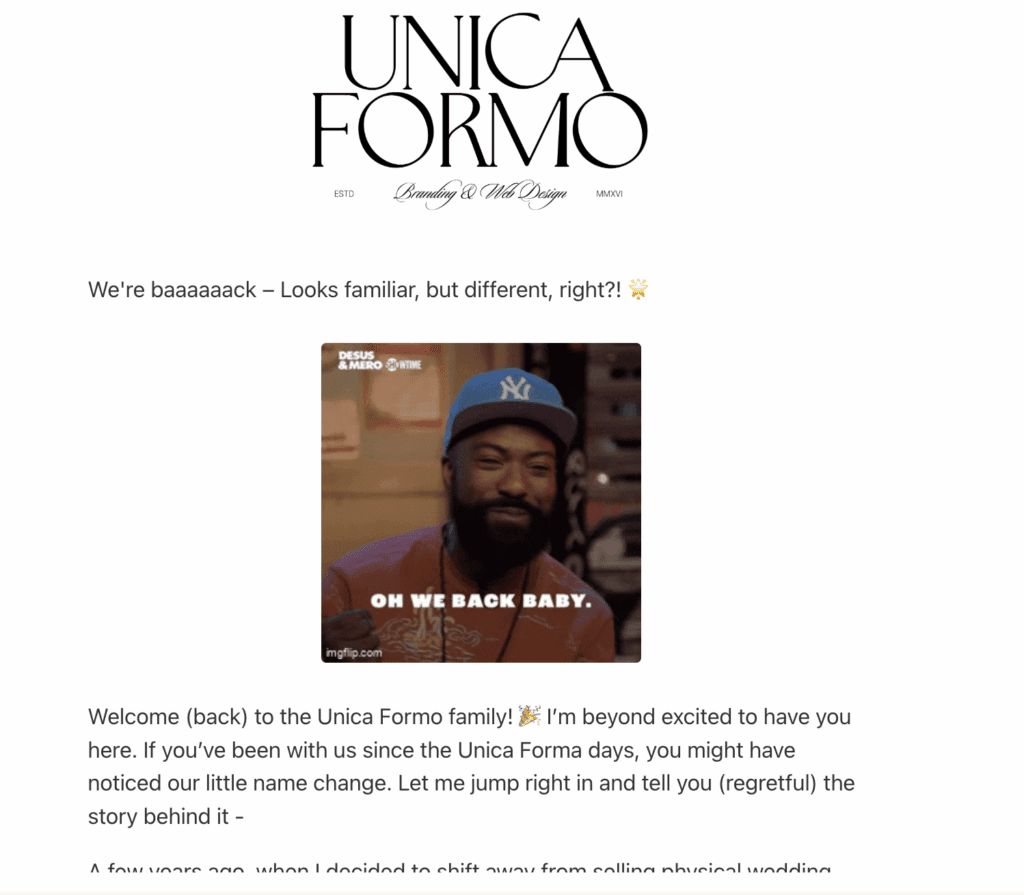
“It can be as simple as quarterly,” Ashley says. “I also love to include relevant memes or GIFs. They add humor and relatability — which makes people want to read further.”
Getting Started With Email Marketing as a Therapist: Tools and Tips
If you’re ready to build an email list, Ashley says the first step is choosing a secure platform like Mailchimp or ConvertKit.
“You need a secure database to store emails,” she explains. “And make sure you’re following the legal stuff, like getting permission to add people to your list and giving them the option to opt out.”
The simplest way to grow your list? Create a freebie.
“You can use a tool you already use in therapy, like a checklist,” Ashley suggests. “Or make something simple like ‘Five Signs It’s Time to Schedule a Therapy Appointment’ or ‘10 Conversation Starters for Date Night with Your Spouse.’”
Welcoming Subscribers the Right Way
Once someone joins your list, Ashley recommends creating a “welcome sequence.”
“A welcome sequence is a series of emails that subscribers get when they sign up for your list,” she explains. “It usually includes your freebie and an introduction into who you are.”
She likes to keep it simple with three or four emails:
- Deliver your lead magnet
- Introduce yourself and your approach
- Share your services and how you can help
- Let them know how often they’ll hear from you
What to Write About (and How to Build Trust)
After that, it’s all about staying consistent.
“Write about relevant topics. What’s coming up in sessions for your audience?” Ashley says. “Remember, you’re writing to your ideal client. How would they want to be spoken to? How can you help them move from the contemplation stage to the action stage? Stay true to yourself — that’s how you build trust.”
📌 Related Post: 9 Best Therapist Websites That Actually Connect With Clients
How Ashley Helps Therapists
Ashley works directly with therapists to help them start and maintain their email marketing systems, from building a subscriber list to writing engaging newsletters and welcome sequences.
“I help therapists get started with an email list, helping them build out their email platform, create a welcome sequence, write regular newsletters… all of it!” she says.
Her best advice for a quick win this week?
“Do some research on which email service provider you’d like to use and create an account!”
Ashley’s work bridges two worlds that often feel miles apart: therapy and marketing. But as she reminds us, marketing doesn’t have to feel salesy or forced. It can be an extension of care.
By sharing helpful, trustworthy information in people’s inboxes, therapists can continue their mission of healing, one email at a time.
You can learn more about Ashley’s work or connect with her at copywithashley.com
📌 Related Post: Private Practice Blog: Do You Really Need One
Frequently Asked Questions about Email Marketing for Therapists
Do therapists really need email marketing?
Yes — if you have the time/budget. Even though therapists rely heavily on referrals, an email list helps you stay connected with potential clients and build trust over time. Social platforms change constantly, but your email list is an asset you own. When therapists send thoughtful, educational emails, they extend their care beyond the therapy room and create a reliable touchpoint for people who may need support in the future.
Is email marketing ethical for therapists?
It can be — and it should be. Ethical email marketing for therapists looks like providing education, nurturing relationships, and offering support without pressure or emotional manipulation. It also means maintaining boundaries, following HIPAA-aligned practices, and only emailing people who have opted in. Ethical marketing for therapists always centers care, consent, and clear communication.
How often should therapists send newsletters?
There’s no one-size-fits-all answer. Consistency matters more than frequency. For some therapists, that might look like monthly or quarterly emails. If weekly feels unrealistic or misaligned, don’t force it. Choose a cadence you can sustain, then build from there. It’s better to send fewer thoughtful emails than a stream of rushed ones.
What should therapists write about in their emails?
Start with what you already talk about in session. Think seasonal mental health tips, coping strategies, self-care reminders, boundary-setting techniques, practice updates, or resources your clients often ask for. Share helpful, accessible guidance — not therapy. Your newsletter should support people without stepping into individualized care or creating a therapeutic relationship.
What platform should therapists use for email marketing?
Choose a reputable email provider with strong privacy practices and opt-in compliance. Platforms like ConvertKit and Mailchimp make it easy to collect subscribers and send automated welcome sequences. Be sure to review their security and privacy standards and only collect the minimum information necessary. The goal is simplicity, safety, and clarity.
How do therapists grow their email list without feeling salesy?
Start by offering something genuinely useful — a free resource, guide, checklist, or educational prompt. Mention your newsletter on your website, in your bio, and in your content. Remember: visibility doesn’t equal manipulation. When your goal is to support, inform, and encourage healthy steps, you’re engaging in consent-based marketing that honors people’s agency.
Pin for Later:

Jordin Brinn is the founder and lead designer of Unica Formo — a creative studio in Columbus, Ohio, specializing in custom Showit website design and brand strategy for service-based businesses like coaches, consultants, therapists, creatives, and wellness professionals. With over a decade of business experience, she helps clients bring strategy, clarity, and personality to their online presence.
Explore design services and free resources at unicaformo.com.


