



- Why Client Testimonials Matter for Business Growth
- How to Ask for Client Testimonials in a Simple, Repeatable Way
- Using Testimonials Strategically Across Your Business
- Why Video Testimonials Are So Powerful
- How Video Testimonials Improve Conversions
- Key Statistics on Video Testimonials
- How to Ask for Video Testimonials
- Final Thoughts
- FAQ: How to Ask for Client Testimonials
Knowing how to ask for client testimonials is essential for improving your services, building trust, and attracting more clients. The right testimonials help you refine your offerings while also providing powerful social proof that makes potential customers more confident choosing to work with you.
In some cases, you don’t have to start with clients; asking for feedback or testimonials from colleagues, collaborators, or industry peers can be an easier first step to build confidence and momentum.
In this guide, we’ll walk through simple and effective ways to request client testimonials, how to use video testimonials to increase conversions, and key insights that show how testimonials directly impact business growth.
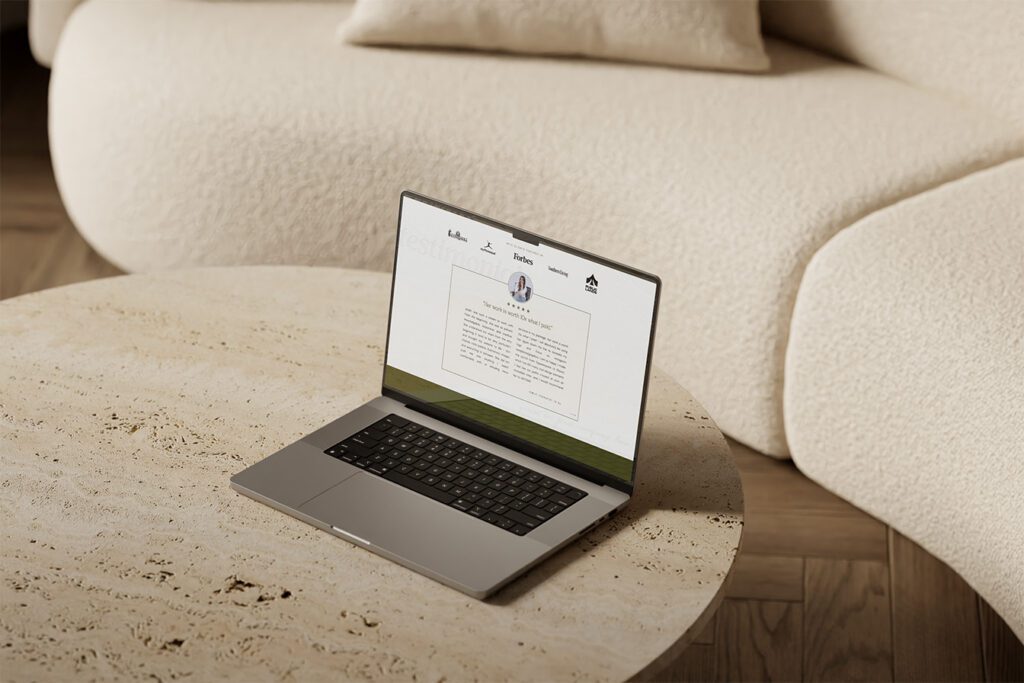
Why Client Testimonials Matter for Business Growth
If you want to understand how to ask for client testimonials, it helps to first understand why they matter so much.
Client testimonials are one of the most powerful forms of social proof in your business. They don’t just reflect past success, they actively influence future buying decisions by building trust, credibility, and emotional reassurance.
When someone is considering working with you, they’re not just evaluating your services—they’re looking for proof that other people have had a positive experience and achieved results.
That’s why testimonials are such a key part of a conversion focused website design they help turn interest into action by reducing hesitation and increasing confidence.
A simple mindset shift
Instead of thinking of testimonials as something you “collect at the end of a project,” think of them as part of your client experience system.
The goal isn’t just to gather feedback, it’s to intentionally guide clients to share clear, specific insights that you can use across your website, marketing, and sales process.
Starting point: It doesn’t always have to be clients
If asking clients feels intimidating at first, you can ease into the process by starting with:
- colleagues you’ve collaborated with
- industry peers
- past professional connections
These relationships often make it easier to practice how to ask for client testimonials because the pressure is lower, but the feedback is still valuable for building credibility and confidence.
Once you’re comfortable, you can transition this same approach into your client workflow.
The most effective testimonials don’t happen by accident—they happen when you make the process simple, guided, and intentional.
That’s why I always recommend having a structured system in place for requesting and using testimonials across your website and marketing.
How to Ask for Client Testimonials in a Simple, Repeatable Way
WhWhen learning how to ask for client testimonials, the goal is not just to collect feedback—it’s to create a simple system that makes it easy for clients to share meaningful, usable responses.
The best testimonials don’t come from random requests. They come from intentional touchpoints built into your client experience.
Here are a few simple ways to do that:
1. Use structured feedback forms to guide responses
A structured feedback form at the end of a project is one of the easiest ways to gather thoughtful, detailed client insights.
Instead of leaving the question open-ended, guide your clients with prompts that help them reflect on their experience and results.
Tools like Google Forms, Typeform, or Dubsado make this process seamless and easy to automate.
2. Offer optional feedback calls for deeper testimonials
For more detailed insights, invite clients to a short, optional feedback call that can be recorded (with permission).
This often leads to richer, more natural testimonials because clients are speaking conversationally rather than writing from scratch.
You can also include a small thank-you gesture, like a coffee gift card, as appreciation for their time.
3. Follow up with a simple, thoughtful email request
Not every client will complete a form or join a call, which is why a follow-up email is so effective.
A short, friendly message gives them an easy way to respond in their own words, often resulting in honest, high-quality testimonials you can repurpose across your website and marketing.
4. Make it easy with a lightweight testimonial request
Sometimes the simplest approach works best.
A quick, low-pressure request—like asking for a few sentences about their experience—removes friction and increases the likelihood of a response.
These short testimonials are often perfect for your website, especially when placed strategically across service pages and sales funnels.
Using Testimonials Strategically Across Your Business
Once you’ve gathered client testimonials, the next step is making sure they actually work for you.
Where and how you use them matters just as much as how you collect them.
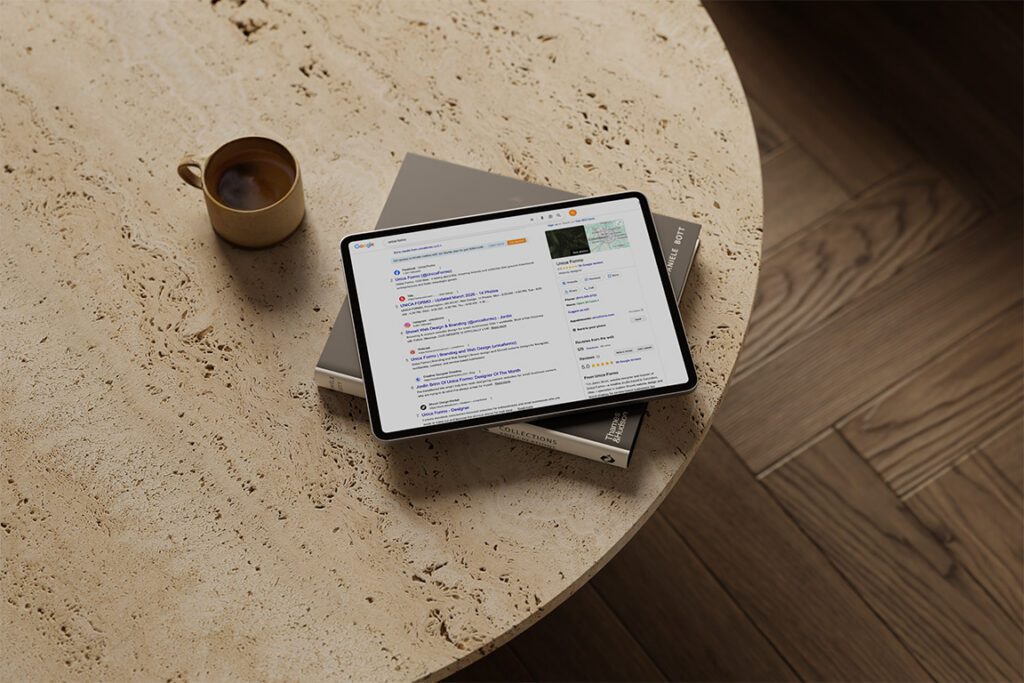
One of the most impactful places to leverage testimonials is on your Google Business Profile. Optimizing your profile with strong reviews can significantly improve your visibility in local search results and help potential clients find and trust you faster.
👉 You can learn how to optimize your Google Business Profile here
I also share the exact testimonial form questions I use with clients in that post, so you can guide responses that turn into strong, usable website and marketing content.
Why Video Testimonials Are So Powerful
Video testimonials are one of the most effective ways to build trust and credibility in your business.
If you’re learning how to ask for client testimonials, adding video into your process can dramatically increase the impact of what you collect. Unlike written testimonials, video allows potential clients to see and hear real experiences, which creates a much stronger emotional connection.
This is especially important in service-based businesses, where trust plays a major role in the decision-making process.
How Video Testimonials Improve Conversions
Video testimonials work because they communicate trust in a more human and immediate way than text alone.
- More trust and authenticity – Seeing a real person share their experience feels more genuine and believable
- Higher engagement – Video naturally holds attention longer than written content
- Stronger emotional connection – Tone, facial expressions, and energy help potential clients feel the transformation
When used strategically, video testimonials become a key part of a conversion-focused website design, helping turn visitors into paying clients.
Key Statistics on Video Testimonials
Video continues to outperform other forms of content when it comes to trust and conversion impact:
- 95% of viewers remember a message when they watch it in a video vs. 10% when reading text (Influencer Marketing Hub)
- 72% of customers trust a brand more after watching a video testimonial (Wisernotify)
- Video testimonials can increase conversions by up to 80% when added to sales pages (Wisernotify)
- 72% of marketers report significantly higher ROI when using testimonial videos (VocalVideo)
These numbers highlight just how influential video can be when used intentionally in your marketing.
How to Ask for Video Testimonials
Collecting video testimonials doesn’t need to feel complicated or intimidating—for you or your clients.
1. Start with your happiest clients
The best video testimonials come from clients who already had a strong experience working with you. Start there first to build confidence and momentum.
2. Give simple prompts to guide responses
Many clients don’t know what to say on camera. Providing a few clear prompts helps them feel more comfortable and leads to better, more structured responses.
3. Keep the recording process easy
Encourage clients to record using their phone in natural lighting with clear audio. It doesn’t need to be professionally produced—authenticity matters more than perfection.
4. Use video testimonials across your marketing
Once collected, video testimonials can be repurposed across multiple touchpoints:
- Website (homepage, service pages, testimonials page)
- Social media content
- Email marketing sequences
- Sales or inquiry pages
Strategic placement is what turns testimonials into conversions.
Final Thoughts
If you want to know how to ask for client testimonials in a way that actually supports business growth, the key is to make the process simple, intentional, and built into your client experience.
When you combine structured feedback systems, thoughtful outreach, and video testimonials, you’re not just collecting feedback—you’re creating powerful social proof that builds trust, strengthens your brand, and helps turn potential clients into paying clients.
FAQ: How to Ask for Client Testimonials
How do I ask for client testimonials without it feeling awkward?
The easiest way is to make the process part of your client experience. When you use structured forms or simple prompts, clients don’t feel put on the spot, it feels like a natural reflection of their experience.
When is the best time to ask for a testimonial?
The best time is right after a successful project or positive milestone, when the experience is still fresh and results are clear.
What should I ask clients for a testimonial?
Instead of asking for something vague like “a review,” guide them with prompts about their experience, results, and what stood out most about working with you.
Are video testimonials better than written ones?
Video testimonials tend to convert better because they build stronger trust through tone, facial expressions, and authenticity. However, written testimonials are still highly effective and easier for clients to provide.
What if my clients don’t respond to testimonial requests?
This is normal. A mix of structured forms, email follow-ups, and optional prompts usually increases your response rate significantly.
Pin for Later:

Jordin Brinn is the founder and lead designer of Unica Formo — a creative studio in Columbus, Ohio, specializing in custom Showit website design and brand strategy for service-based businesses like coaches, consultants, therapists, creatives, and wellness professionals. With over a decade of business experience, she helps clients bring strategy, clarity, and personality to their online presence.
Explore design services and free resources at unicaformo.com.


